
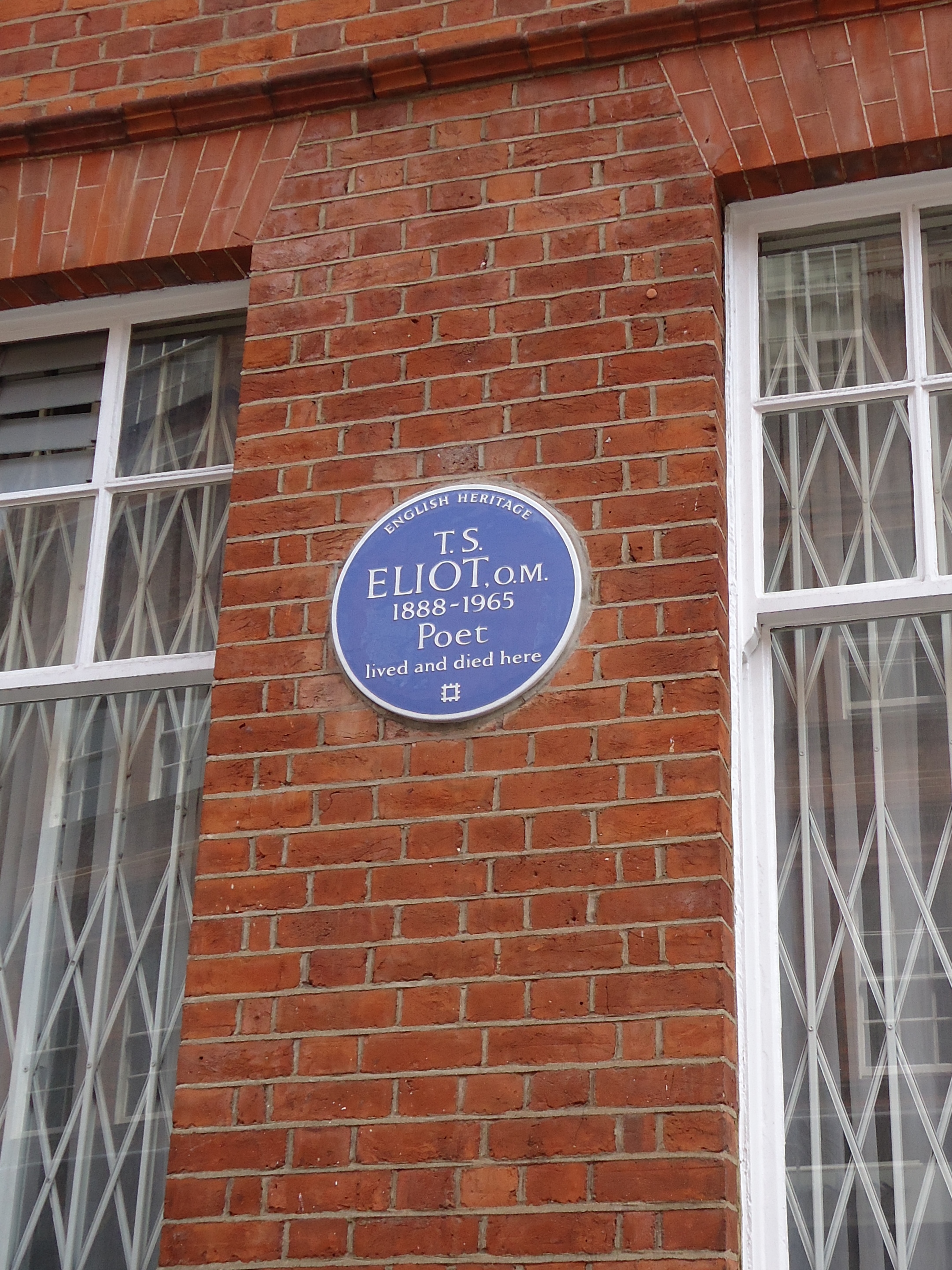
London might be the best city for an English major to visit – I don’t think there’s any other place where so many great authors have lived throughout time (at least, for English literature). If you spend any amount of time walking in London, you’re sure to come across a circular blue plaque on a building, marking that someone notable lived there. Often I don’t recognize the name because it’s a for an architect or a botanist or the like. But on one of my first days in London, I was trying to find the Victoria and Albert Museum on my own when I accidentally wandered into a residential neighborhood. I was annoyed with myself for getting off track, but soon I caught sight of one of those ubiquitous blue plaques. Somehow by accident I’d found what many people would spend a day searching for – the house where T.S. Eliot lived and died.
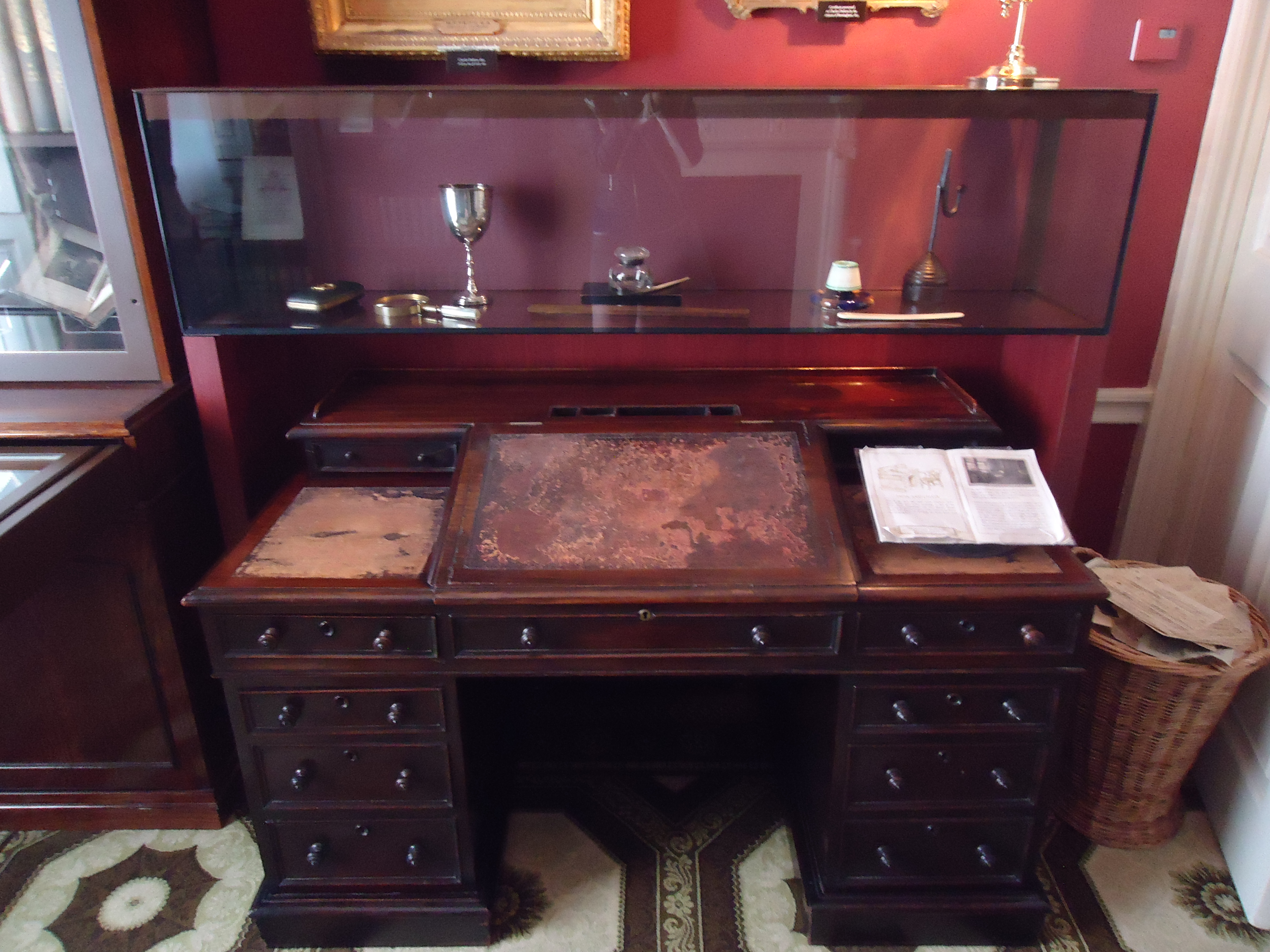
 That was a lucky accident, but I’ve also deliberately sought out the homes of two of my personal favorite writers – Charles Dickens and John Keats. In a convenient coincidence, Charles Dickens’s house is only a few minutes walk away from the flats where we’re staying. I was absolutely thrilled to be there, and I lingered as long as I could, trying to soak everything up. I probably took more pictures there than I’d taken in total since I’d arrived in London. They had his private possessions, a first edition of Nicholas Nickleby, and so many of his letters – I quickly became familiar with his distinctive signature. They even had the desk at which he’d written some of his best works, like Bleak House.
I also went to visit John Keats’s house, which was further out, but still in London. I like that Dickens lived in a central area of London, while Keats lived in a more rural part – I feel like it suits at least their writing, if I can’t speak to their characters. I’d seen the film Bright Star about the romance between Keats and Fanny Brawne, ending with his death, and it takes place at this house! There were copies of Keats’s letters in every room, and I got to read about him making a pilgrimage of his own to visit Robert Burns’s home in Scotland. It reminded me that Dickens had made a similar journey to Stratford-upon-Avon to visit Shakespeare’s home. Why are we driven to visit the homes of our literary heroes? Do we want to catch their greatness, or do we just want to feel close to these people we can never meet?